
Every vehicle on the road carries a unique identifier—its license plate. More than just a registration requirement, a license plate can reveal a great deal of information about the vehicle it belongs to. From ownership and accident records to registration and inspection status, a license plate is essentially the first key to unlocking a vehicle’s hidden history.
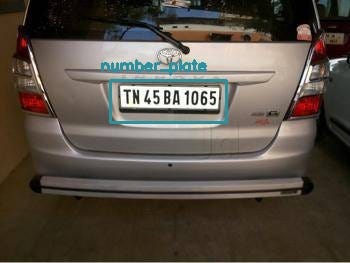
The Purpose of a License Plate
A vehicle license plate is issued by a Consulta de numeração de motor government authority, such as a motor vehicle department, to verify that the vehicle is legally registered. The combination of letters and numbers on the plate is not random—it’s a code linked to an official database that contains all relevant details about the vehicle.
In many countries, license plates must be displayed both at the front and rear of the vehicle. This ensures that vehicles are easily identifiable from different angles, which is particularly helpful for law enforcement, toll booths, and surveillance systems.
What Can Be Discovered from a License Plate?
When properly accessed through authorized channels, a license plate number can provide a wealth of information, including:
-
Vehicle make, model, and year
-
Engine type and fuel classification
-
Vehicle Identification Number (VIN)
-
Registration and expiration dates
-
Inspection and emissions status
-
Outstanding recalls or defects
-
Accident and damage reports
-
Odometer readings (in some cases)
-
Theft or lien records
While ownership details are typically restricted for privacy reasons, other vehicle-related data can often be obtained by insurance companies, car dealerships, or through licensed vehicle history services.
Why License Plate Lookups Matter
One of the most common uses of license plate lookups is in the used car market. Buyers want to ensure they are purchasing a reliable vehicle that hasn’t been involved in serious accidents, hasn’t been stolen, and doesn’t have hidden legal or financial issues.
Another common scenario involves road incidents. If someone is involved in or witnesses a hit-and-run, reporting the license plate to authorities can be the first step toward identifying the responsible driver.
Fleet companies and businesses also use license plate tracking to monitor their vehicles, ensuring they meet inspection and insurance requirements.
Modern Technology and License Plates
Advancements in technology have made it easier to scan and record license plates. Automated License Plate Recognition (ALPR) systems are now used by police, parking services, and toll operators to instantly capture and analyze plate numbers. These systems contribute to road safety, law enforcement, and traffic management.
Conclusion
A license plate may seem simple at first glance, but it holds the key to vital vehicle information. Whether for personal use, legal matters, or public safety, the data behind a license plate plays a powerful role in tracking, verifying, and understanding a vehicle’s full story.