
Italian food is one of the most beloved and widely recognized cuisines in the world. It is celebrated not only for its bold and comforting flavors but also for its deep roots in tradition, regional diversity, and the importance placed on fresh, high-quality ingredients. Italian cuisine is more than just food—it’s a cultural experience that reflects the history, geography, and values of Italy itself.
At the heart of Italian cooking is simplicity. Unlike some cuisines that rely on complex techniques or heavy spices, Italian dishes often use just a handful of ingredients. Yet, these italian food ingredients—when carefully selected and used in the right balance—create meals that are rich in flavor and deeply satisfying. Olive oil, garlic, tomatoes, basil, and fresh cheeses are just a few staples that define the Italian pantry. Each region of Italy has its own special ingredients and cooking styles, shaped by its climate, history, and local traditions.
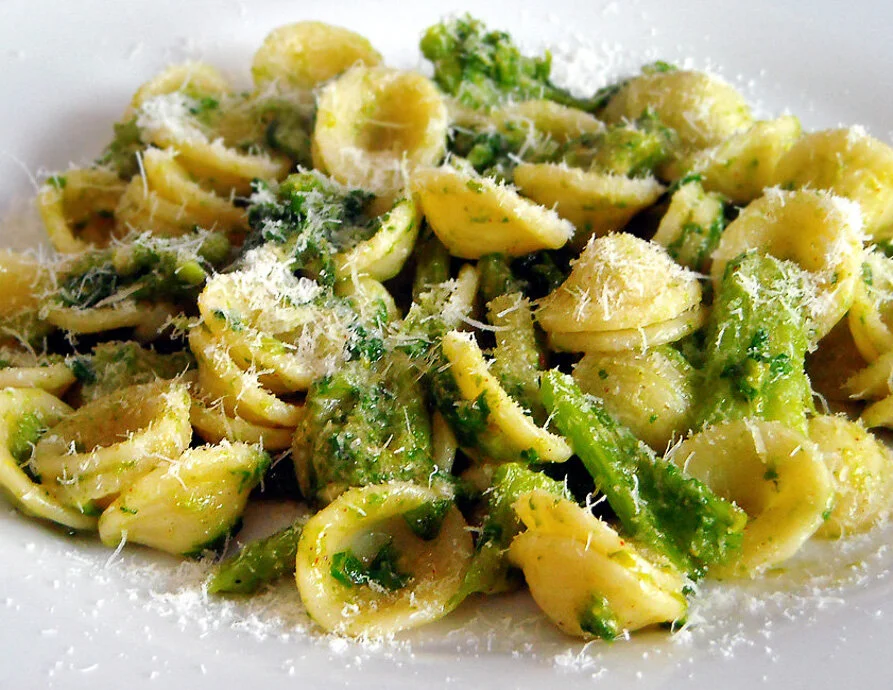
Pasta is perhaps the most iconic element of Italian cuisine, and it comes in hundreds of shapes and varieties. From spaghetti and penne to fettuccine and orecchiette, each type of pasta has its ideal sauce pairing. In the north, creamy and buttery sauces like Alfredo or pesto are common, while the south favors bold tomato-based sauces, often with chili flakes, olives, or seafood. Fresh pasta, made with eggs and flour, is typical of northern Italy, while the south often uses dried pasta made from durum wheat and water.
Pizza, another Italian classic, originated in Naples and has become a global favorite. Traditional Neapolitan pizza is made with a thin, soft crust and simple toppings such as San Marzano tomatoes, mozzarella cheese, and fresh basil. The focus is always on the quality of the ingredients, with each component prepared with care and authenticity. Italian food also includes a wide variety of breads, cured meats, and cheeses, each with its own unique regional flair.
Desserts in Italy are equally diverse and delightful. Tiramisu, a layered dessert of coffee-soaked ladyfingers and mascarpone cream, is perhaps the most famous. Cannoli, originating from Sicily, are crispy pastry tubes filled with sweetened ricotta cheese. Gelato, the Italian version of ice cream, is known for its dense texture and intense flavor, offering a perfect ending to any meal.
Italian cuisine is not just about eating; it’s about gathering, sharing, and enjoying life. Meals are often long, social occasions, meant to be savored slowly and in good company. This emphasis on family, community, and enjoyment makes Italian food not only delicious but deeply meaningful as well.